
Diet for Speech Delay
Diet
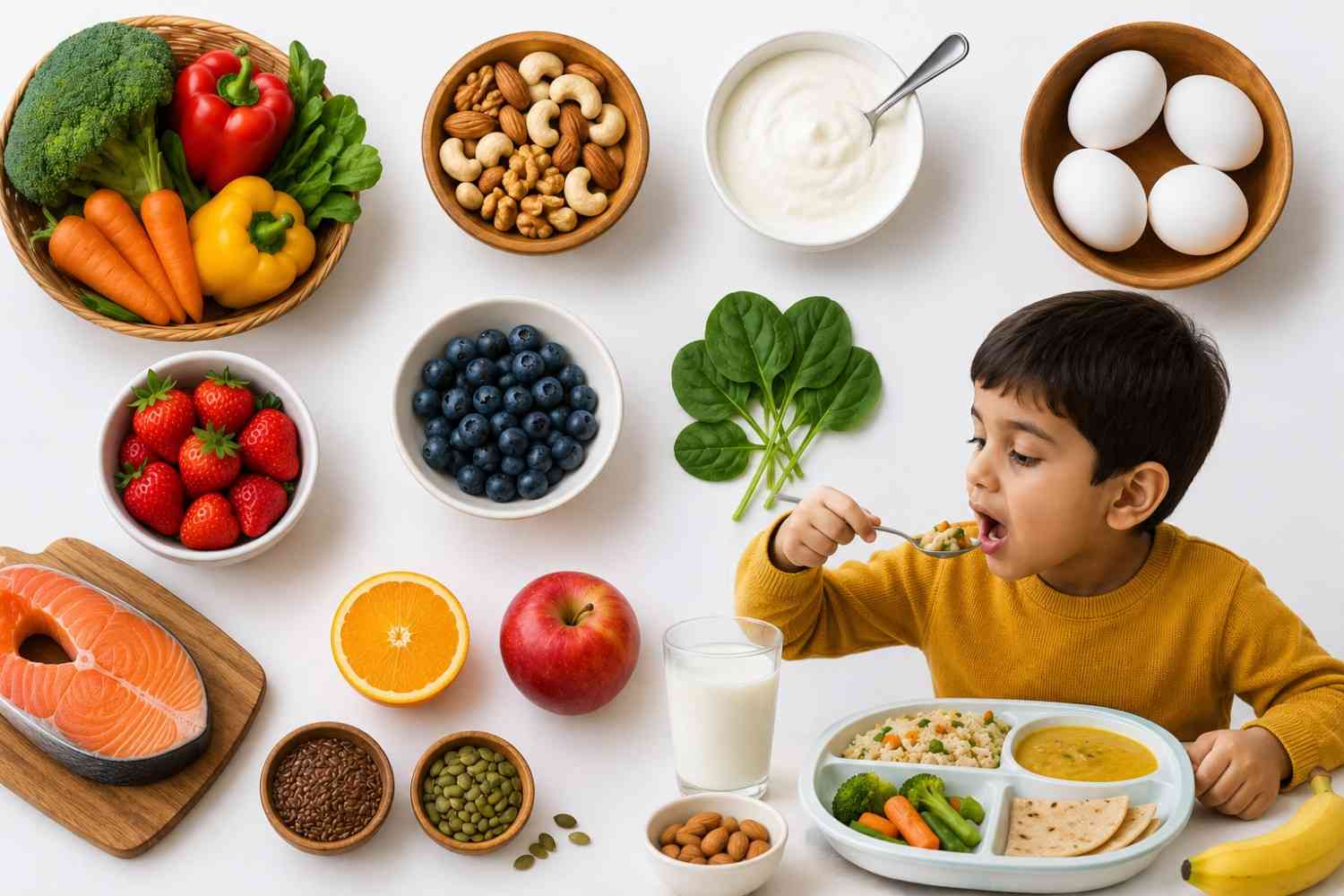
The role of a healthy and balanced diet in the proper growth, brain development, and speech development of a child is well known. All parents want to ensure that their children receive the nutrients necessary for healthy physical and mental growth. However, children with speech delay may have selective eating habits, sensory sensitivities, or feeding difficulties that can make healthy eating challenging.
Children with speech delay often require adequate nutrition to support brain function, language development, memory, concentration, and nervous system health. Certain nutritional deficiencies may affect cognitive abilities and communication skills. Therefore, providing a nutrient-rich and balanced diet is an important part of supporting speech and language development.
Some children may be sensitive to the texture, smell, temperature, or appearance of foods, making it difficult for parents to introduce new foods. Patience and consistency are essential. Creating a positive mealtime environment and encouraging children to explore different foods gradually can help improve their acceptance of nutritious meals.
If you are concerned about your child’s eating habits, focus on making meals enjoyable and engaging. Encourage family meals, involve your child in food preparation, and introduce healthy foods in a gradual and non-pressured manner.
Tips for Improving
Ayurveda emphasize the importance of Satvik Ahara
Food plays a crucial role in maintaining both physical and mental health. According to Ayurveda, Ahara (diet) is one of the three pillars of life. Proper nutrition nourishes the body, mind, and nervous system and supports healthy development in children.
Ayurveda recommends a Satvik diet for children with developmental concerns. Satvik foods promote mental clarity, concentration, memory, emotional stability, and overall well-being. Such foods are fresh, natural, wholesome, and easy to digest.
In children with speech delay, Satvik Ahara may help support cognitive functions, learning abilities, attention span, and speech development.
- Freshly prepared foods
- Whole grains
- Fresh vegetables
- Fresh fruits
- Dry fruits and nuts
- Pulses and legumes
- Cow ghee
- Ash Gourd (Petha/Kohala)
Used the following for preparing foods.
1 ) Grains & Cereals:Jowar Roti,Rice,Brown Rice,Ragi,Buckwheat Flour,Corn Flour,Upma,Porridge,Khichadi,Whole Wheat Preparations,Goat Milk,Cow Ghee
2) Vegetables:- Carrot, Beetroot, Pumpkin, Sweet Potato, Spinach, Broccoli, Cauliflower, Cucumber, Radish, Cabbage, Kale, Bok Choy, Green Leafy Vegetables, Asparagus, Zucchini, Ash Gourd (Petha/Kohala), Soybeans, Moong, Masoor, Rajma, Lentils.
4) oils:- Sesame Oil, Coconut Oil, Flaxseed Oil, Olive Oil, Sunflower Oil.
4) Fruits:- Apple, Pomegranate, Banana, Papaya, Orange, Grapes, Blueberries, Kiwi, Pear, Watermelon, Mango, Guava, Custard Apple, Coconut.
5) Dry Fruits:- Almonds, Walnuts, Dates, Raisins, Pistachios, Cashew Nuts, Apricots.
6)Seeds:- Pumpkin Seeds, Chia Seeds, Flax Seeds, Sunflower Seeds, Sesame Seeds, Hemp Seeds.
6)Protein-Rich Foods:- Moong Dal, Masoor Dal, Chickpeas, Sprouts, Eggs, Fish, Homemade Paneer (if tolerated), Legumes.
Food to be Avoids-
To support optimal brain development and concentration, avoid foods that may affect digestion, attention, and nervous system functioning.
Excess Sugar,Artificial Colors, Artificial Flavors, Processed Foods, Junk Foods, Deep-Fried Foods, Soft Drinks, Excessively Spicy Foods, Packaged Snacks, Refined Flour Products, Preservatives, Excess Chocolate and Candy
Say No to –
1) Processed Foods & Bakery Products- Pastries, Pizza, Burgers, Cakes, Biscuits, Chips, Kurkure, Instant Noodles, Maida Products, Macaroni.
2) Sugary Foods
Chocolates, Candies, Jellies, Sweets, Artificial Sweetened Foods, Colored Sugar Products.
3) Packed Drinks-
Soft Drinks, Energy Drinks, Flavored Beverages, Packaged Juices, Soda, Artificial Syrups.
4) Artificially Colored Foods– Candies, Colored Desserts, Packaged Snacks.
5)Excess Screen-Time During Meals- Avoid mobile phones, television, and electronic devices during meals as they may interfere with healthy eating habits and parent-child interaction.
Food Sensitivities / Allergens
Some children may have sensitivities or allergies to certain foods. Common allergens include:
- Soy
- Wheat
- Peanuts
- Tree Nuts
- Eggs
- Shellfish
- Dairy Products
Parents should observe their child’s response to foods and seek professional guidance if food sensitivities are suspected.
Benefits of a Healthy Diet in Speech Delay
- Supports brain development
- Enhances concentration and attention
- Improves memory and learning ability
- Supports speech and language development
- Strengthens the nervous system
- Improves digestion and immunity
- Promotes overall growth and development
A nutritious, balanced, and Satvik diet, along with speech therapy, developmental support, and a healthy lifestyle, can play an important role in helping children achieve better communication skills and developmental outcomes.